

Dark mode is no longer just a design choice; it’s quickly becoming a necessity. With growing adoption across websites, apps, and devices, it reflects a major shift in user preferences. Sleek, modern, and easy on the eyes, dark mode has become the default for many digital platforms. Originally popularized by social media apps and tech giants like Apple and Google, it’s now a must-have feature that balances functionality with aesthetics.
Beyond its visual appeal, dark mode offers real benefits for both web performance and user experience (UX). As we look ahead to 2025, integrating dark mode into your website design strategy can enhance usability and even boost your SEO. Let’s explore how dark mode supports modern UX and SEO, and how you can implement it effectively.
Understanding Dark Mode Web Design
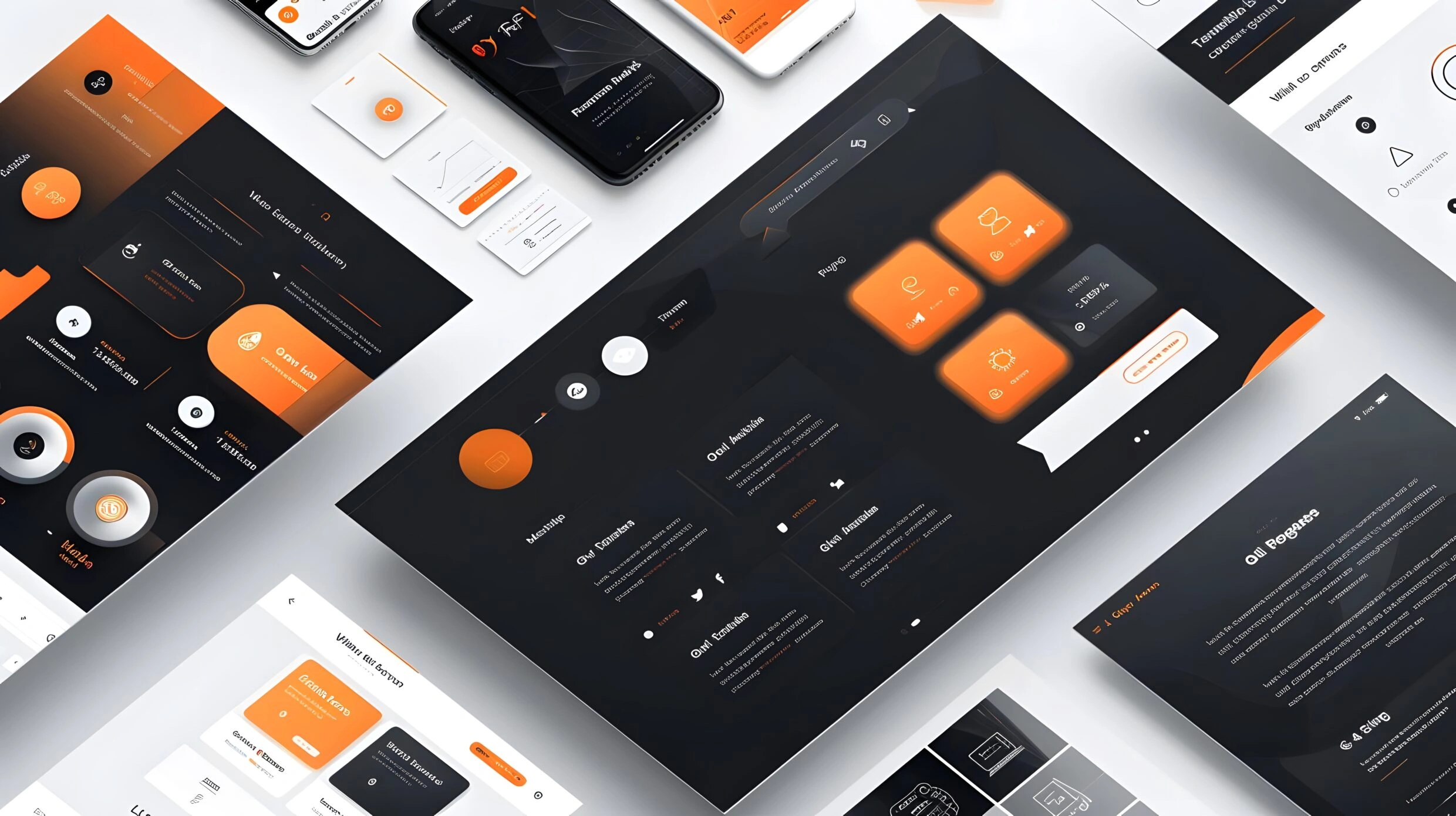
Dark mode refers to a design approach where backgrounds are predominantly black or dark gray, paired with lighter text and visuals. It reverses the traditional light-on-dark model, offering a clean, modern alternative.
So why do users love dark mode?
- Comfort for the Eyes: It reduces eye strain, particularly in low-light environments, making it ideal for nighttime browsing.
- Energy Efficiency: For OLED screens, dark mode consumes less power, resulting in longer battery life, a crucial benefit for mobile device users.
- Aesthetic Appeal: Dark mode exudes a sophisticated, futuristic vibe that resonates with younger audiences and tech-savvy users.
Popular platforms like Instagram, Twitter, and system-wide settings in iOS and Android have adopted dark mode based on user demands. As personalization options continue to dominate digital UX, providing users with a choice between light and dark modes is growing increasingly important.
The Benefits of Dark Mode for UX
Dark mode doesn’t just look great, it actively enhances the user experience.
- Improved Accessibility
Dark mode reduces glare and eye strain, especially in dim environments. For users with visual sensitivity, it creates a more comfortable experience. High-contrast designs can also improve legibility for people with visual impairments.
- Aesthetic Appeal
Dark mode isn’t just functional, it’s fashionable. As minimalism and bold UI styles dominate design trends, dark mode delivers a sleek interface that helps your brand stand out with polish and sophistication.
- Personalized Experiences
Letting users choose between light and dark modes is a simple but powerful way to personalize their experience, aligning with current UX trends toward flexibility and control.
Challenges to Consider
Dark mode has its drawbacks if not handled with care:
- Poor contrast or overly bright elements can strain users rather than help them.
- Designers must carefully test readability and color harmony.
- Not every brand identity translates well to dark palettes; balance is key.
Dark Mode’s Impact on SEO in 2025

Improved Engagement Metrics
From an SEO perspective, user behavior data is vital to ranking success. Engagement indicators like time spent on a webpage and bounce rates are largely influenced by comfort and usability. By reducing eye strain and improving navigation fluidity, dark mode encourages longer session durations and minimizes page abandonment.
Optimizing for Mobile SEO
With Google prioritizing mobile-first indexing, responsive web design, including dark mode adaptability, is crucial. Ensuring a seamless dark mode experience across devices improves accessibility and mobile usability, which directly impacts a website’s search ranking.
Technical Considerations
Successful dark mode integration must follow search engine best practices:
- Color Contrast Optimization: Avoid colors that make text hard to read on darker backgrounds. Poor design choices can compromise content accessibility and hurt your SEO performance.
- Accessibility Compliance: Dark mode designs must adhere to WCAG (Web Content Accessibility Guidelines) standards to ensure visibility for all users, including those with visual impairments.
Prioritizing these technical aspects ensures dark mode benefits both UX and SEO simultaneously.
Design Tips for Integrating Dark Mode
Creating an effective dark mode experience requires intentional design choices. Here are practical tips every designer should follow:
- Use High-Contrast Colors: Ensure that text and visual elements are easily distinguishable against the dark background. Avoid using overly muted colors that lack readability.
- Enable Toggle Functionality: Dark mode should be optional. Allow users to switch between light and dark modes through clearly accessible toggles or system preferences.
- Optimize Graphics and Animations: Adjust images, icons, and animations to be visually cohesive with a dark palette. Avoid harsh transitions that can detract from user satisfaction.
- Test for Accessibility: Make accessibility a priority by validating designs against WCAG compliance guidelines. Readability is critical, not just for SEO performance but for an inclusive user experience.
By adopting these tips, designers can craft dark mode experiences that are functional, visually appealing, and accessible to a broad audience.
Future Trends in Dark Mode Web Design
As we approach 2025, dark mode will continue evolving. Here are three emerging trends to watch for:
- AI-Assisted Customization
Artificial intelligence will play a larger role in web design, creating dynamic dark mode experiences tailored to individual user preferences. Imagine dark mode designs optimized based on time of day, user location, or platform use.
- Sustainability in Design
With an increasing emphasis on environmental responsibility, dark mode’s energy-efficient design aligns perfectly with sustainability goals. This means dark mode will become a standard best practice for eco-conscious companies.
- Broader Industry Adoption
Beyond tech-heavy platforms, industries such as healthcare, education, and law are likely to adopt dark mode to stay current with consumer expectations. The standardization of dark mode use across all sectors hints at its longevity well past 2025.
Conclusion
Dark mode is no longer a niche feature; it’s a core component of modern web design. By enhancing comfort, conserving battery, and delivering a bold visual identity, it supports better user experiences and stronger SEO performance.
As digital competition grows, integrating dark mode thoughtfully can give your brand a real edge. From personalization to accessibility and sustainability, this trend is here to stay. Now is the time to optimize your design strategy and meet evolving user expectations head-on.
Ready to make your website future-proof? Let Design In DC help you implement dark mode that’s smart, stylish, and user-focused.